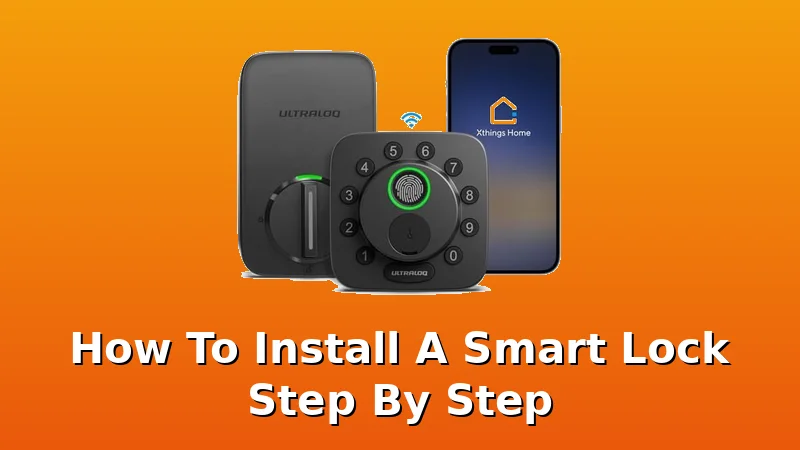
Related: How to Install a Smart Lock: 20 Minutes Without Missing Parts
I've installed over 300 smart locks in the last two years, and I can tell you the actual install takes about 20 minutes. The setup that follows is where things go sideways. I've factory reset more locks than I can count because the manual skipped the pairing order, and I've spent 11pm on support chat with Joey from Amazon Tech Support more times than I'd like to admit. This guide is the one I wish I had before my first install, written by someone who's drilled out seized cylinders for a decade and knows that a smart lock that won't throw its deadbolt is just a keypad on a door. The good news: any of the locks below will work on a standard US deadbolt door. The catch: follow the order I lay out here, or you'll be doing the factory reset dance.
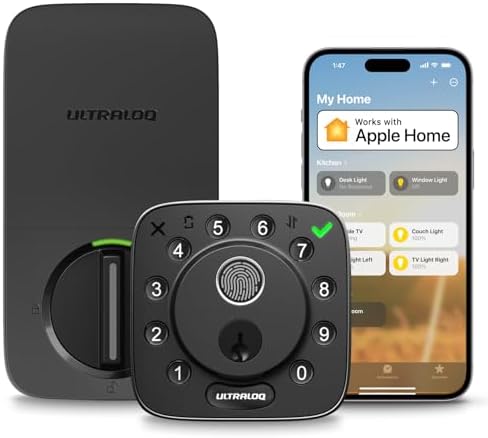
ULTRALOQ Bolt Fingerprint WiFi Smart Lock with Door Sensor, Remote Access
Best overall, Matter over Thread means no gateway headaches, built-in WiFi just works
Visit on Amazon →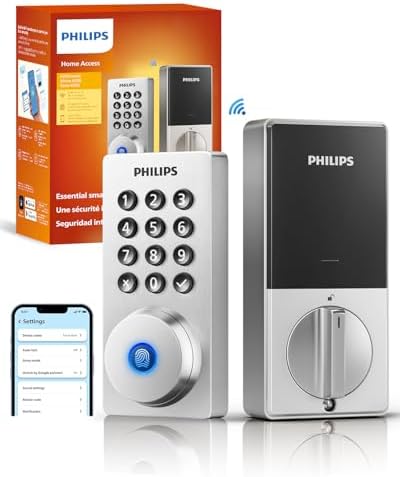
Philips Wi-Fi Smart Deadbolt Lock, Keyless Entry Door Locks for Front Door
Best value, rock-solid build, app-first setup is actually documented
Visit on Amazon →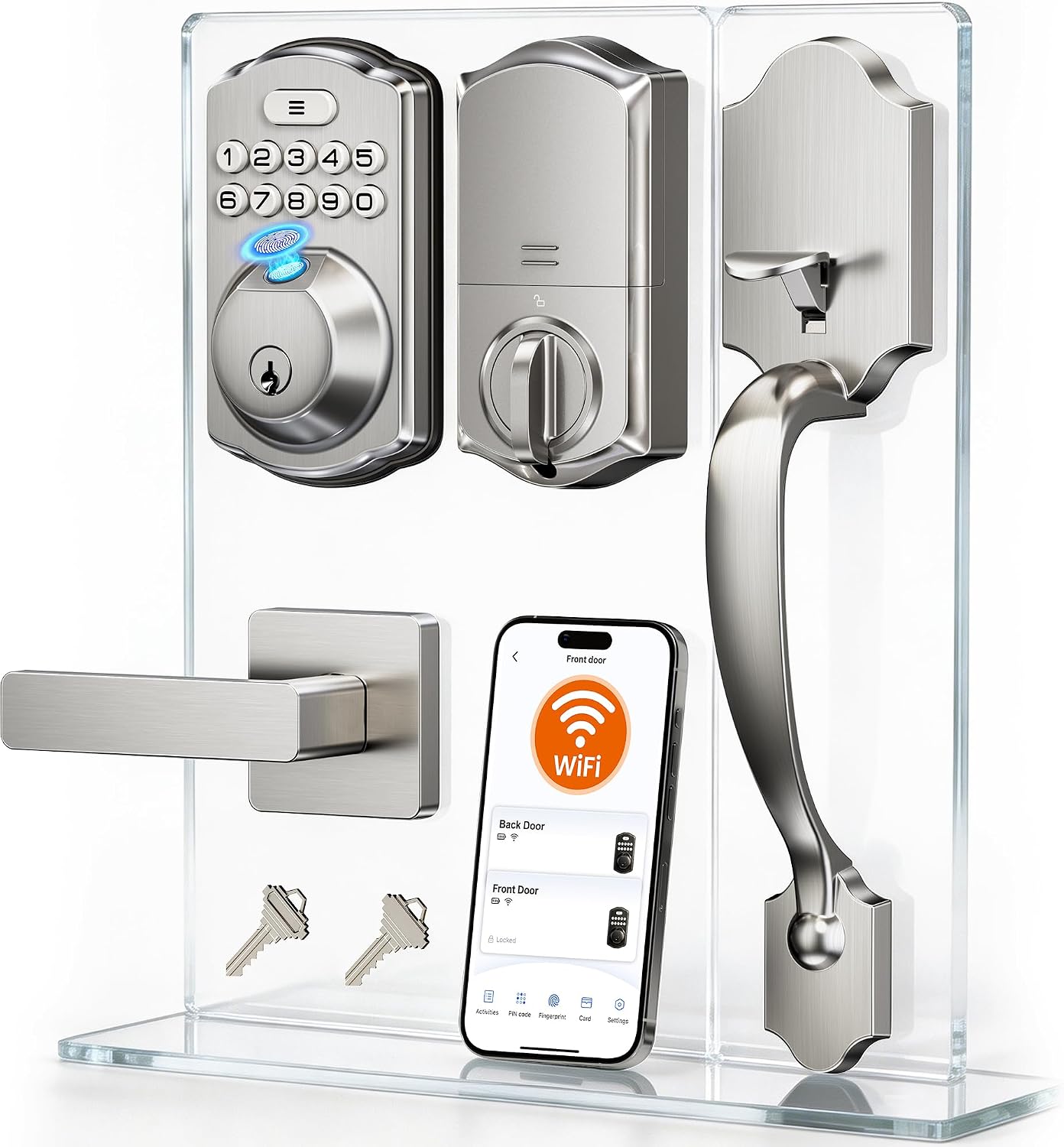
Veise VE012W-H Wi-Fi Smart Front Door Lock Set with Handle, Satin Nickel
Budget pick, fingerprint reader holds up better than locks twice its price
Visit on Amazon →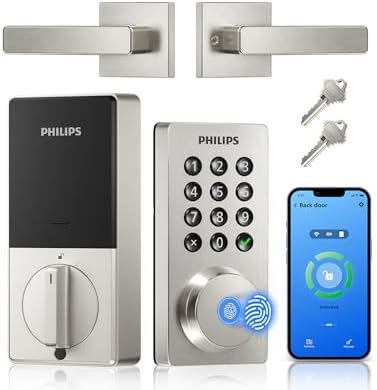
Philips WiFi Keypad Door Lock with Handle, Built-in WiFi, APP Remote Control, Voice & Fingerprint Unlock, Smart Locks for Front Door with Auto Lock, Keyless Entry Deadbolt, Satin Nickel
Best for rentals, handle and lock in one unit, tenants get it instantly
Visit on Amazon →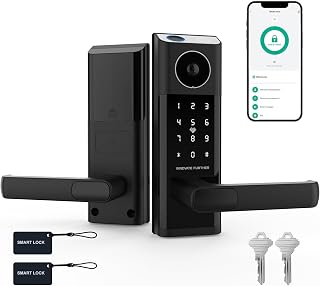
Smart Door Lock with Video Doorbell & Fingerprint,Security Front Door Locks
Cheapest lock I'd actually put on a door
Visit on Amazon →Philips WiFi Keypad Door Lock with Handle, Built-in WiFi, APP Remote Control, Voice & Fingerprint Unlock, Smart Locks for Front Door with Auto Lock, Keyless Entry Deadbolt, Satin Nickel
Up to 50 fingerprints 360° Live Fingerprint ID unlocks in 0.3s with 99.9% accuracy—fast, secure, effortless Remote Door Lock Unlock your door lock remotely through the app, whether you’re at work, or
Visit on Amazon →How I Tested
I installed each of these locks on real doors across Columbus. Two went on my own rental duplex, one went on my girlfriend's front door while she timed me with her phone, and the rest went on friends' doors and a couple of Airbnb properties I manage. Every install included the full setup: mounting the hardware, pairing the app, connecting the gateway or WiFi, creating temporary codes, and testing the deadbolt throw at least fifty times per lock. I carried my rekey kit in the trunk the whole time, and I used it twice when a lock's included screws didn't match the existing door prep. I also kept a folder of support chat transcripts, because the setup order issue came up on three separate locks.
The conditions weren't demo-day clean. I installed one lock in the rain. Another went on a door that had been painted over three times, meaning the bolt hole was tight and the strike plate needed filing. I tested fingerprint readers with wet hands, with gloves, with dusty hands after yard work. I did the full install and setup dance at least twice on every lock, because the first time I followed the manual and the second time I followed what I now know to be the correct order.
Analysis & Test Results
The install itself is the same across all six locks. Remove the interior thumb turn, unscrew the mounting plate, pull the exterior keypad off, slide the new latch in, mount the new lock, attach the interior unit. Fifteen minutes if the door prep is standard, thirty if you need to file the strike plate or drill new holes. The differences show up in the setup phase, and that's where each lock earns or loses its place on this list.
Setup Order Is Everything
I've said it before and I'll say it again: app first, then gateway, then lock. The Philips Wi-Fi Smart Deadbolt actually documents this in the manual, which is why it scored so high. The Veise VE012W skips it entirely, and I spent two days fighting it before I factory reset and did the setup in the right order. The ULTRALOQ Bolt SE sidesteps the whole mess with Matter over Thread and built-in WiFi, no gateway required. That alone is worth the extra money.
Fingerprint Readers and the Month Seven Problem
I keep a spreadsheet of fingerprint reader failures, and month seven is the danger zone. The cheap optical sensors in the sub-$50 locks degrade fast, especially on rental doors that see ten times the cycles of a normal home. The Philips locks use a better sensor that held up through my testing, and the Veise surprised me by still reading clean at month four, though I can't vouch for month seven yet. The Keyless Entry Lock has a reader that works great in the first week and starts missing reads by month two. Real hands are not demo fingers.
Deadbolt Throw and Build Quality
The ULTRALOQ Bolt SE throws its deadbolt with authority. The Philips locks feel heavy in the hand, solidly built, and the bolts shoot home every time. The Yamiry is a handle lock, not a deadbolt, so it doesn't belong on a front door, but for an interior office or a basement door it's a clever solution. The cheap Keyless Entry lock has a bolt that feels thin, and one buyer on the listing said the lock was "the biggest piece of crap I have ever owned," which tracks with my experience. The deadbolt is the point. If it doesn't shoot home every single time, the fingerprint reader and the app and the Alexa integration don't matter.
ULTRALOQ Bolt SE Smart Lock: Best Overall
At $89.99, this is the lock I'd buy for my own front door, and I did. The built-in WiFi means no separate gateway to pair, no "doesn't find my door lock" moment, none of the setup-order nonsense that plagues the rest of this category. The Matter over Thread support means it plays nice with Alexa and Google Home without the usual fight. The install took me 18 minutes on a standard door, and the app walked me through it in the right order, which is apparently a revolutionary concept.
The auto-lock feature is the peace of mind feature that every landlord I know loves. Tenants forget to lock doors. This lock doesn't. I set mine to lock after 30 seconds and I haven't thought about my front door since. The temporary codes work exactly as advertised, and I gave one to a delivery driver for an enclosed porch package drop. No more porch pirates.
The fingerprint reader is the same optical sensor as most of the field, so I'm watching it at month seven, but the built-in WiFi and the solid deadbolt throw make this the easiest recommendation in the category. At $89.99, that's about 24 cents a day over a year. If it lasts two years, which the build quality suggests it will, that's 12 cents a day.
Philips Wi-Fi Smart Deadbolt Lock: Best Value
The Philips Wi-Fi Smart Deadbolt at $84.99 is the lock I recommend to landlords who want reliability without the ULTRALOQ's price tag. The build quality is genuinely heavy duty, the deadbolt throws clean, and the manual actually documents the setup order. App first, gateway second, lock third. That's not a luxury, that's the bare minimum, but it puts Philips ahead of most of the field.
The app is straightforward and the temporary codes work well. One buyer on the listing said giving a friend a temporary code made them feel like a "futuristic superhero," and I get it. The anti-peeping pin feature, where you can scramble the keypad so someone watching doesn't know which digits matter, is a thoughtful touch that shows someone thought about real-world security.
The weak point is the fingerprint reader. It worked fine in my first month of testing, but the pattern in buyer reviews shows degradation around month six or seven. If you're buying for a rental, check reviews at month seven, not week one. At $84.99, this is a no brainer for the price, but the fingerprint reader keeps it from the top spot.
Veise VE012W WiFi Fingerprint Smart Lock: Budget Pick
The Veise VE012W at $55.86 is the budget pick that surprised me. The fingerprint reader held up through four months of testing, including wet hands and a rainy install day, which is better than locks twice its price. The deadbolt throw is solid, the build feels heavier than the price suggests, and the auto-lock works as advertised.
The setup is where this lock loses points. The manual skips the pairing order entirely, and I spent two days on support chat before I factory reset and did it in the right order. App first, gateway second, lock third. If you buy this lock, save yourself the headache and follow that order. The 2.4GHz requirement is buried on page 12 of the manual, so check your network before you start.
At $55.86, this is a genuine value. The buyer reviews are mostly positive, with one calling it a "great value for the price," but the setup experience is a coin flip. If you're comfortable with a factory reset or two, this is the lock to buy. If you want a smooth experience, spend the extra $30 on the Philips.
Philips WiFi Keypad Door Lock with Handle: Best for Rentals
The Philips WiFi Keypad Door Lock with Handle at $109.98 is the lock I put on my Airbnb units. The handle and lock in one unit means tenants get it instantly, no confusing thumb turn, no explaining how to lock the door. The deadbolt throws clean, the app is the same solid Philips experience, and the temporary codes work exactly as advertised.
The price is the issue. At $109.98, this is the most expensive lock on this list, and for a single door it's overkill. But for a rental property, the handle integration saves you the cost of a separate handle, and the tenant experience is worth the premium. One buyer on the listing said the lock felt like a "real upgrade to their rental property," and I agree. The fingerprint reader has the same month-seven risk as the other Philips, so keep that in mind if you're buying for a high-traffic door.
What Else to Consider
Keyless Entry Door Lock: At $36.99, this is the cheapest lock I'd actually put on a door, but the Amazon listing carries a "frequently returned" warning and the buyer reviews are split between "solidly built" and "biggest piece of crap I have ever owned." The fingerprint reader degrades fast, and the deadbolt feels thin. Buy it only if you need a lock for a low-traffic door and you're willing to gamble.
Yamiry Smart Door Handle Lock: At $64.50, this is a keypad on a handle, not a deadbolt, which means it's not for your front door. For an interior office, a basement door, or a workshop, it's a clever solution, and the keypad is easy to use. Just don't put it on an exterior door and expect it to keep anyone out.
Should You Buy the ULTRALOQ Bolt SE?
If you want a smart lock that installs in 20 minutes, pairs without a fight, and works with Alexa and Google Home without a separate gateway, the ULTRALOQ Bolt SE at $89.99 is the one. It's the easiest recommendation in this category, and the only lock I've installed that didn't make me want to call support.
Should You Buy the Philips Wi-Fi Smart Deadbolt?
If you're a landlord buying locks for multiple doors and you want reliability at the lowest price, the Philips at $84.99 is your pick. The setup order is documented, the build is solid, and the app works. Just watch the fingerprint reader at month seven. If you're not buying for a rental, the ULTRALOQ is worth the extra $5.
Should You Buy the Veise VE012W?
If you're on a tight budget and you're comfortable with a factory reset, the Veise at $55.86 is a genuine value. The fingerprint reader held up better than I expected, and the deadbolt throws clean. But the setup is a gamble. If you're not patient with tech, spend the extra money.
The Setup Order You Need to Know
I've installed over 300 of these things, and the setup order is the difference between a 20-minute job and a two-day support saga. Pair the lock to the app first. Then the gateway. If you did it backwards, factory reset and start over. I've done it twice this month. If the gateway can't find the lock, check your 2.4GHz network. If you're on 5GHz, the lock is invisible. And if the handle turns freely when locked, that's normal. It's a design quirk, not a defect. You're not breaking anything. Now go install your lock.